
If you’ve started getting pool remodeling estimates, you may have noticed something frustrating: you can talk to several contractors about essentially the same project and receive significantly different prices.
That’s not necessarily because someone is overcharging you.
In most cases, each contractor will give you some type of proposed scope—perhaps a new interior finish, tile, coping, plumbing, lighting, or other improvements. The challenge is figuring out whether those scopes are actually equivalent.
One contractor may recommend replacing most of the plumbing, while another may recommend replacing only portions of it. One may include a more extensive preparation process, while another may use a different method. One estimate may include startup, equipment installation, or certain repairs that another leaves out.
The differences aren’t always obvious from the bottom line—or even from the first page of the estimate.
Once you start looking closely at what each contractor is actually proposing, the price differences often begin to make sense.
For a typical Southern California pool, a quality resurface generally costs $10,000–$20,000, depending on the pool’s size and the finish you choose. A more substantial remodel commonly reaches the mid-$20,000s to $75,000 or more, depending on the scope.
The important question isn’t just:
“What does my pool remodel cost?”
It’s:
“What exactly am I getting for that price?”
Quick answer
For a fairly typical residential pool—roughly 90–110 linear feet around the pool—a quality resurface generally costs $10,000–$20,000, depending primarily on the pool’s size and finish selection.
That’s linear feet of perimeter, not square footage of the pool. Tile quantities can also vary considerably depending on the pool’s shape, spa, raised walls, steps, and other features.
A more substantial remodel commonly reaches the mid-$20,000s to $75,000+.
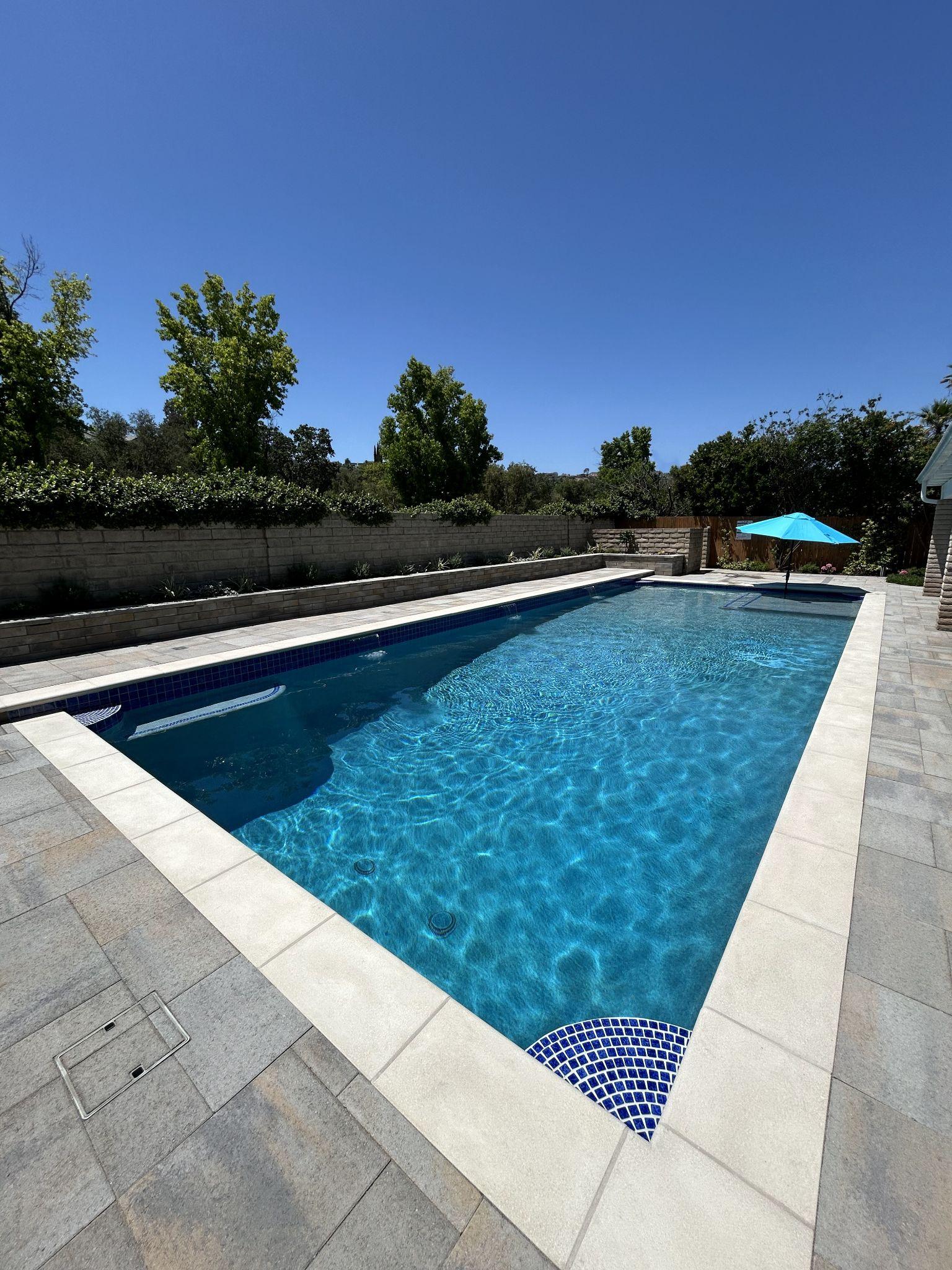
Recent Stanton Pools projects illustrate the range particularly well: approximately $22,500, $39,500, and $74,500, with increasingly comprehensive scopes.
The biggest variable isn’t simply the size of the pool.
It’s what you’re actually changing and how the work is being performed.
Resurfacing vs. remodeling: what’s the difference?
Homeowners and contractors don’t always use these terms exactly the same way.
Resurfacing
A resurface primarily means replacing the pool’s interior finish.
- A new plaster or pebble finish
- New waterline tile
- Splitting the pool drain if needed
- Lifting and resetting coping when necessary to properly address the tile line
- Small associated repairs, such as a light or equipment leak
The goal is to give the pool a new interior surface without substantially changing the way the pool looks or functions.
Remodeling
A remodel starts with the resurface and adds meaningful visual or functional changes.
- New coping
- New tile
- A Baja shelf or step
- Nicheless LED lighting
- Significant plumbing work
- Water features
- Equipment upgrades
- Structural repairs
- Spa modifications or additions
- Other changes that noticeably alter the pool
A resurface makes your existing pool look new again. A remodel changes the pool itself.
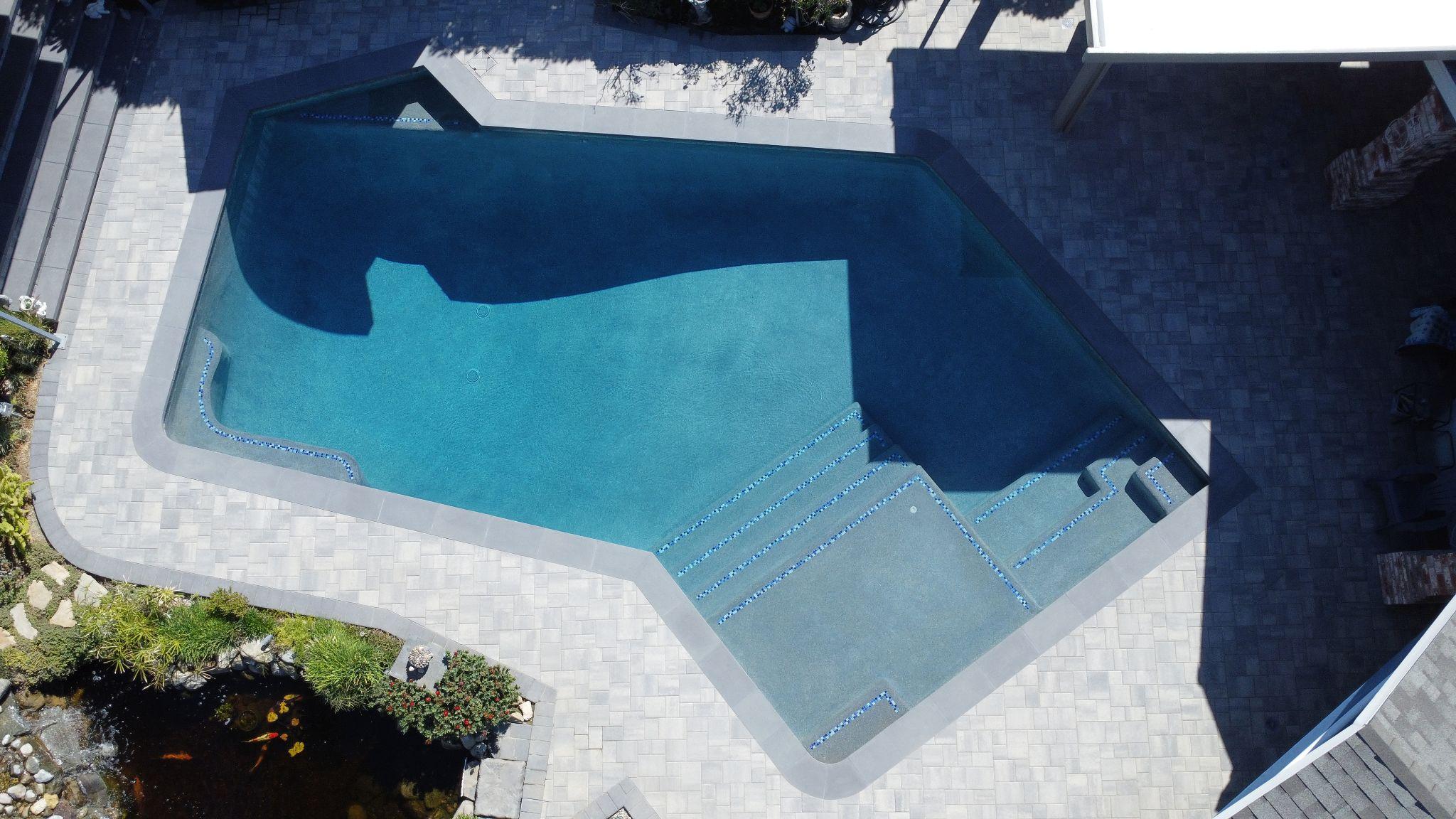
That distinction matters when comparing prices. A $15,000 resurface and a $40,000 remodel aren’t necessarily competing bids for the same project.
How much does a pool remodel cost?
These are useful budgeting ranges, not fixed prices.
| Project Type | Estimated Cost |
|---|---|
| Resurface | $10,000–$20,000 |
| Resurface with new tile | $15,000–$25,000+ |
| Resurface with tile and new coping | $25,000–$40,000+ |
| More substantial remodel | $30,000–$50,000+ |
| Major remodel | $50,000–$75,000+ |
| Extensive structural or reconfiguration work | $75,000+ |
The ranges overlap because the categories overlap. A larger pool with a premium finish can cost more to resurface than a smaller pool with a simpler finish, and adding tile, coping, plumbing, equipment, or structural work can quickly change the scope.
These are budgeting ranges, not menu prices.
You may also see advertised prices below these ranges. That doesn’t automatically mean the contractor is doing poor work. It means you should understand exactly what is included before deciding that you’ve found a better value.
Don’t compare the bottom line until you’ve compared the scope.
Want to build a rough budget?
Once you have an idea of what you want to change, the Stanton Pools Remodel Calculator can help you explore different options and get a preliminary idea of how those choices affect the budget.
It’s a starting point, not an estimate. Existing conditions and project-specific details can change the final cost.
What do real pool remodels cost?
One of the best ways to understand remodeling costs is to look at actual projects rather than an anonymous industry average.
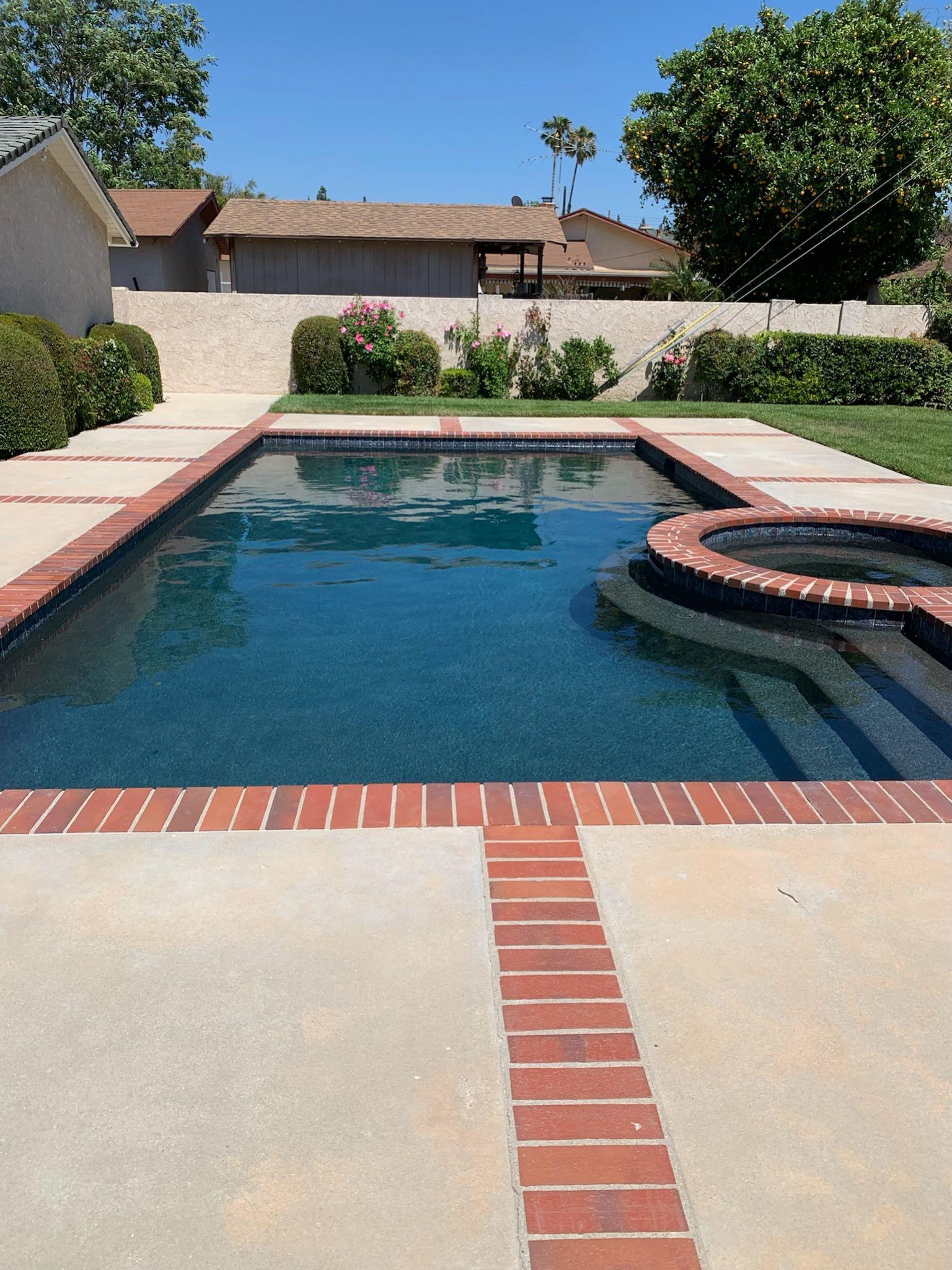
$22,500 — A simple refresh
A Tarzana project included:
- Mini pebble
- Ceramic waterline tile
- Split pool drain
- White LED light
$39,500 — A more substantial transformation
A Westlake project included:
- Mini pebble with glass
- New Bellecrete coping
- Ceramic waterline tile
- Split pool drain
- Two color-changing LED lights
- New variable-speed pump
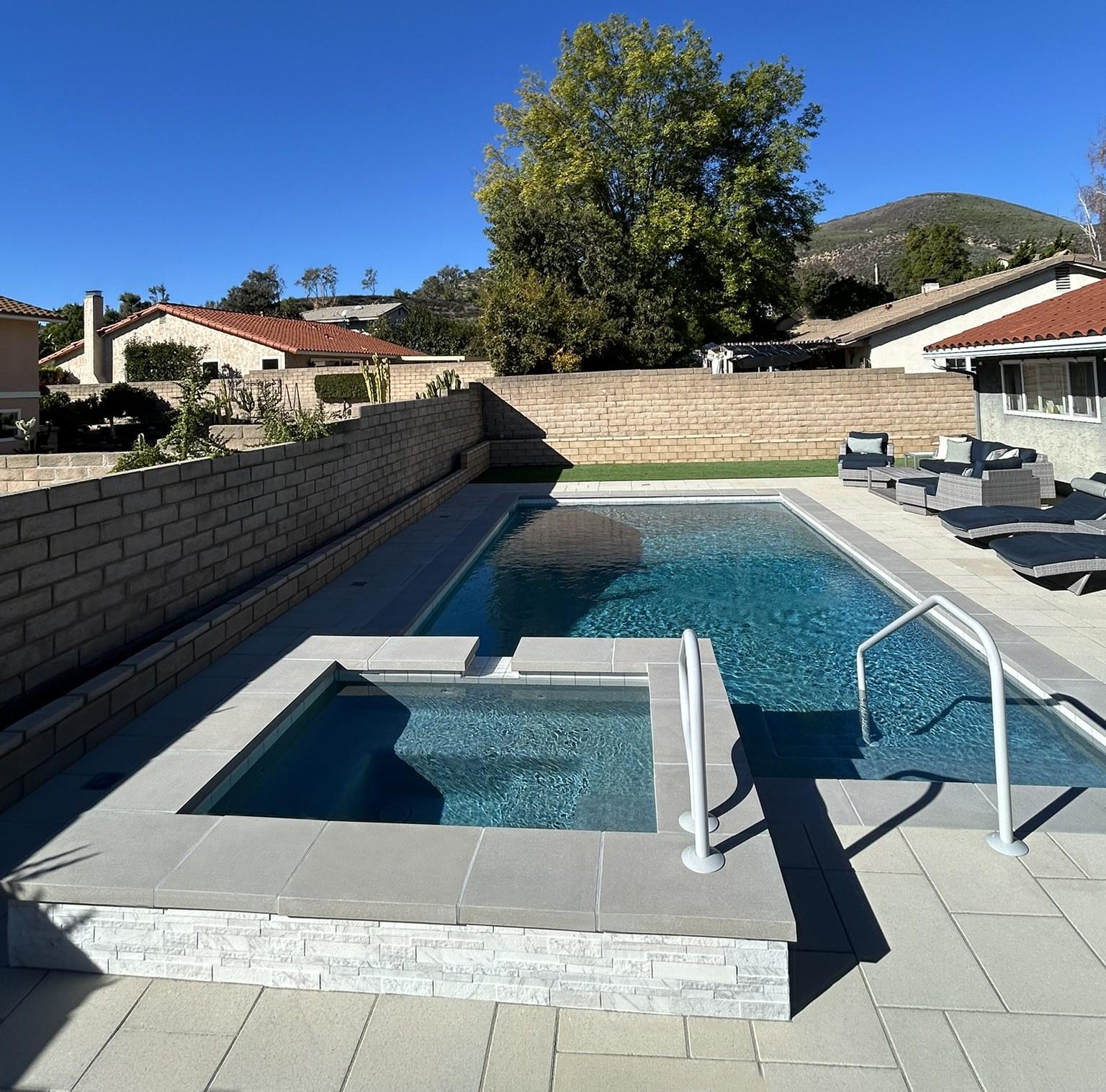
The additional money wasn’t simply paying for a “better” finish. The homeowner was paying for more work and more components.
$74,500 — A comprehensive remodel
A Northridge project included:
- Micro pebble with glass or shell mix
- Glass waterline tile
- New Bellecrete coping
- Two sheer descents
- A Baja step
- Auto-fill
- Wi-Fi-controlled remote system with integrated salt
- New heater
- Variable-speed pump
- Pool and spa lighting
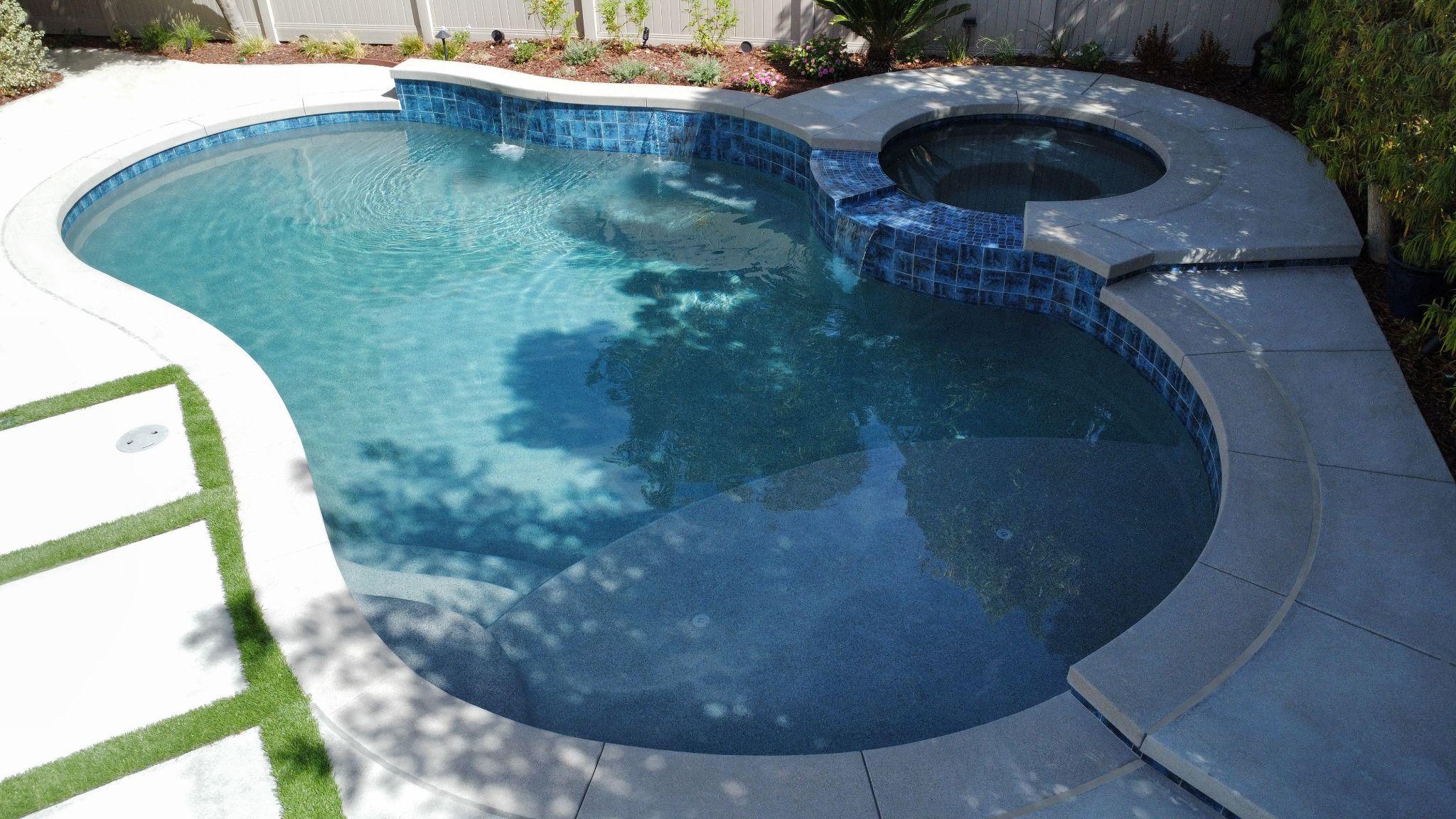
At that point, we’re no longer talking about simply resurfacing a pool. It’s a substantially different project.
That’s the lesson: scope drives price.
What actually drives the price?
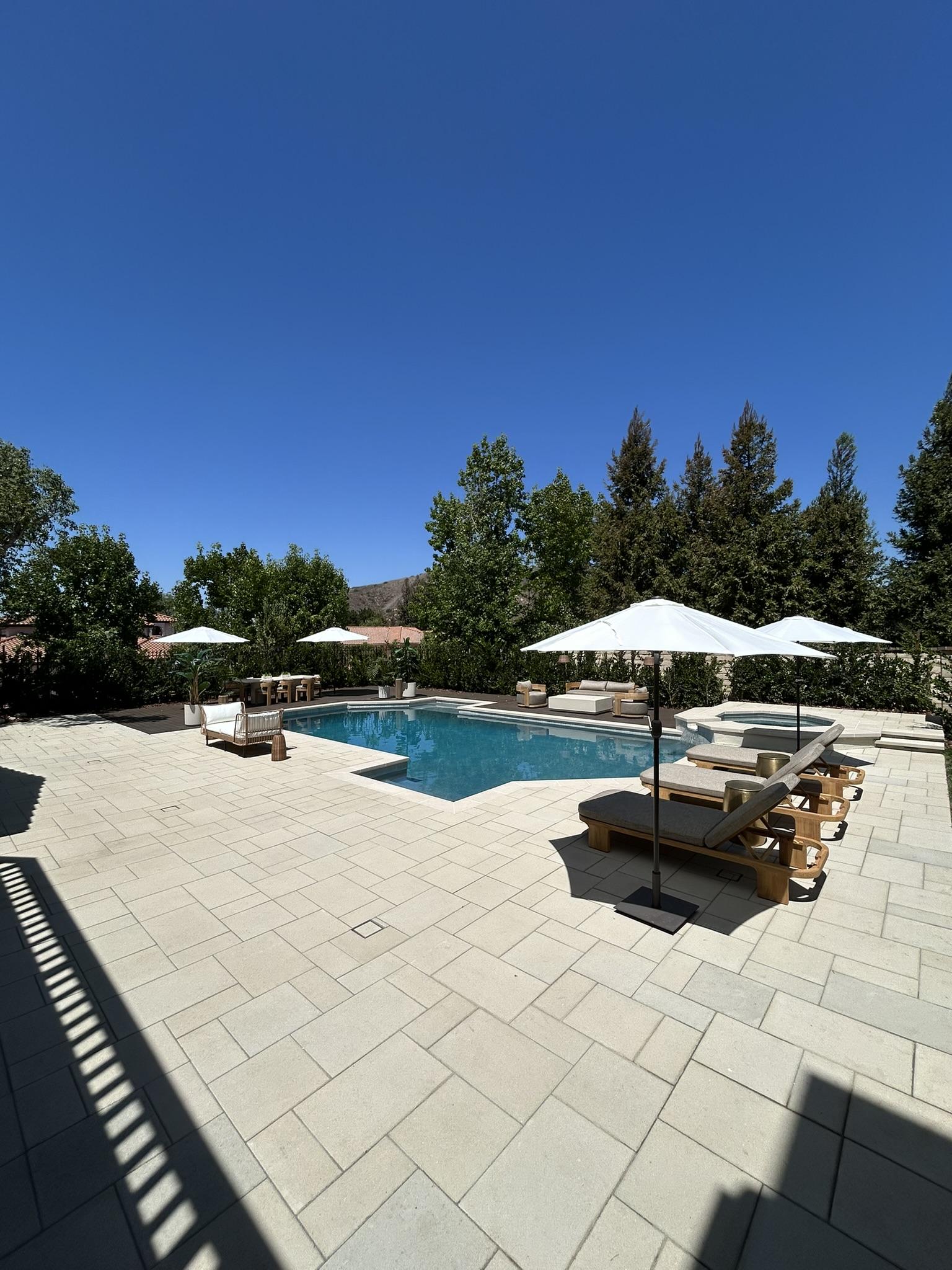
Deck work
Replacing a pool deck can add a significant amount to a remodel.
The cost depends on the amount of deck, demolition, access, material, layout, drainage, grade changes, and other site conditions.
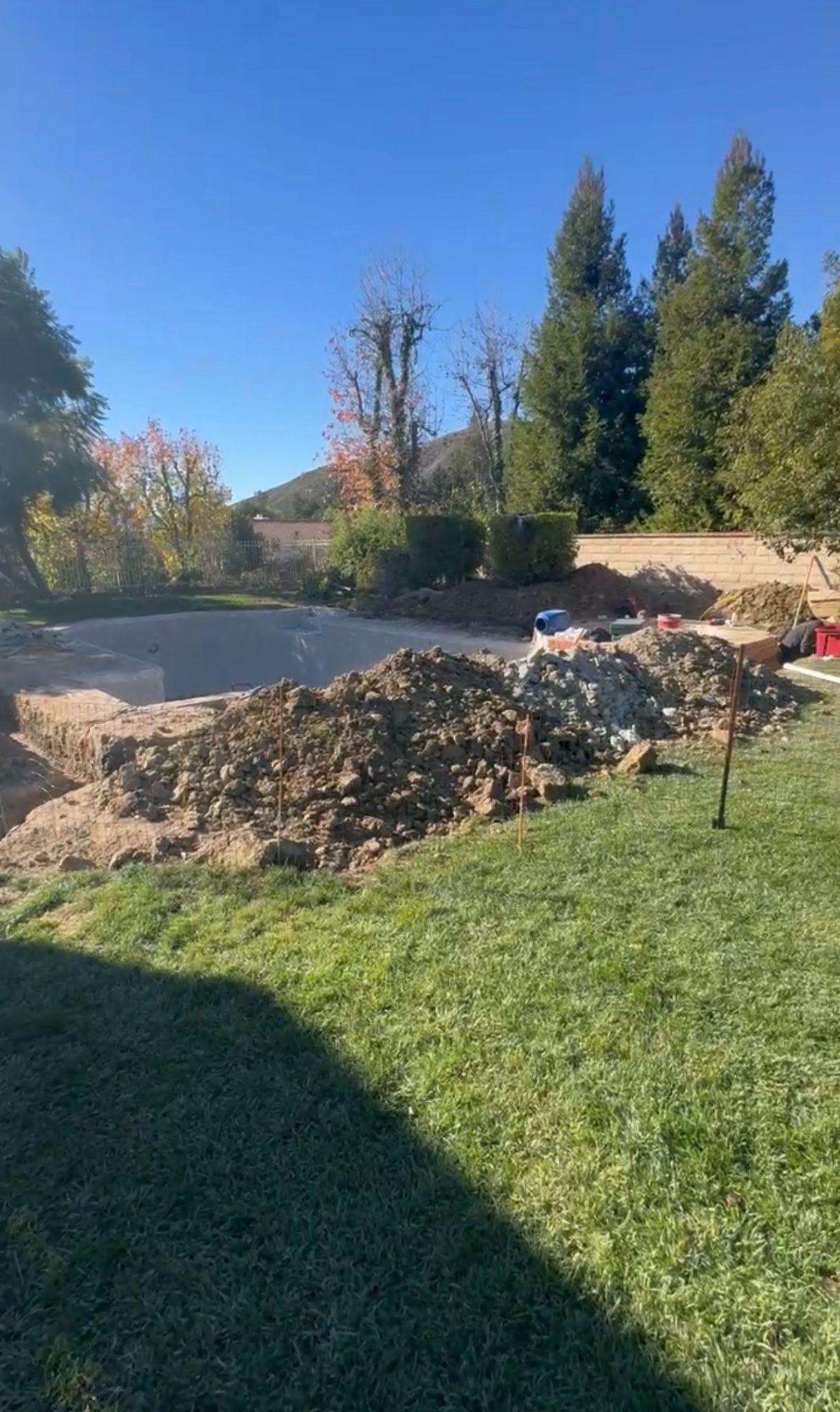
Stanton Pools generally likes pavers around pools when they’re appropriate for the site because they can provide future access to underground plumbing, electrical, and gas lines.
Decking is also one area where Stanton Pools generally refers homeowners to a trusted contractor in their network who specializes in that work.
Plumbing
There is a big difference between replacing some plumbing components and doing a comprehensive replumb.
For example, a lower-scope “full replumb” might include:
- A new skimmer
- A split drain installed on the wall underneath the skimmer rather than on the pool floor
- One or two new return lines
A more comprehensive replumb may include:
- New Schedule 40 PVC
- A properly configured floor drain
- Three return lines
- A dedicated vacuum line
- A drop-down line
- Appropriate plumbing routing
- New valves where appropriate
- Pressure testing
Those are materially different scopes.
So if two estimates both say “full replumb,” don’t assume they mean the same thing.
Structural repairs
A cosmetic crack and a significant structural problem aren’t the same thing.
Depending on the situation, a crack may require epoxy injection, staples, stitching, or more extensive structural work.
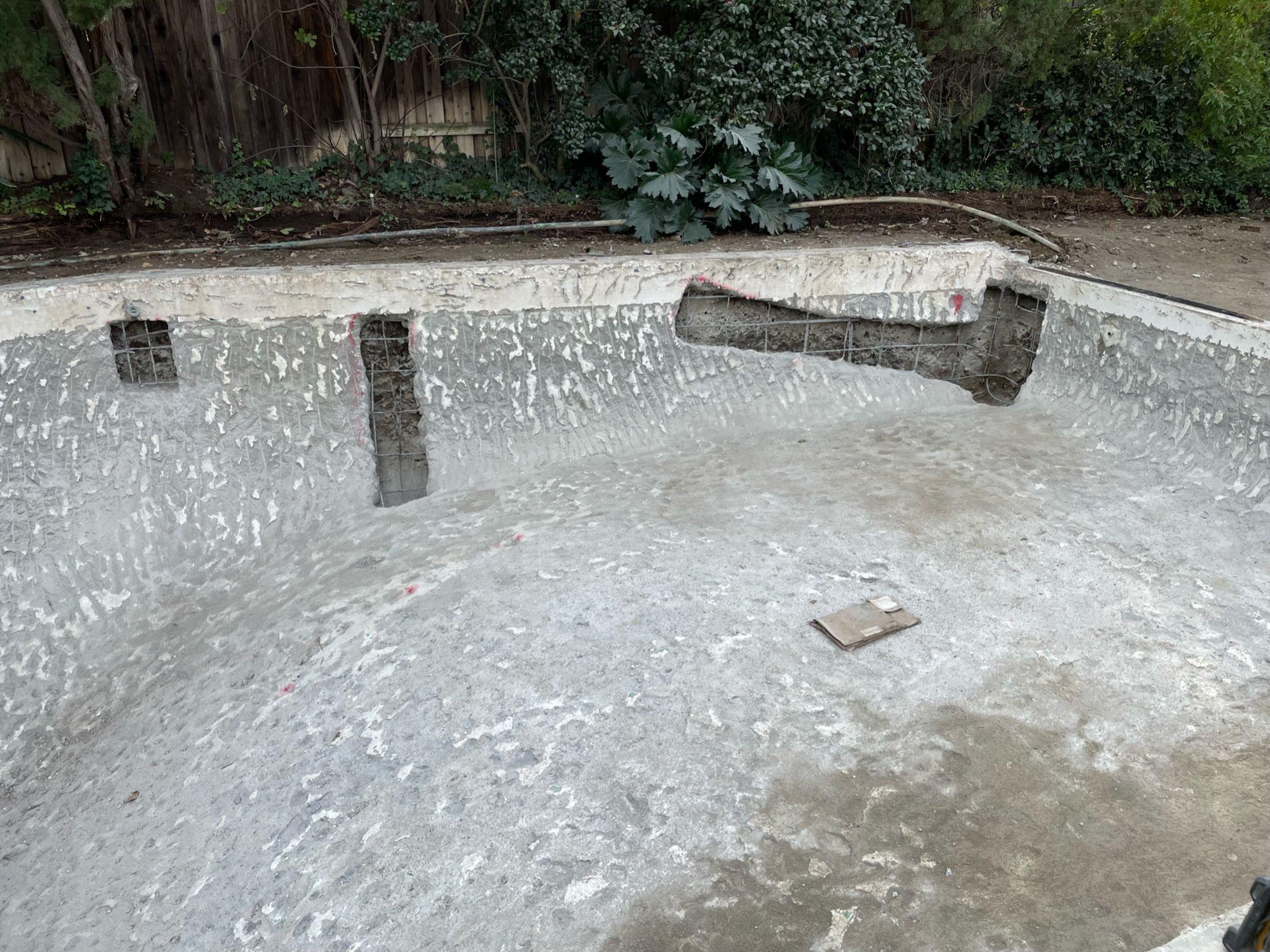
Some problems also simply aren’t visible until the existing finish is removed.
Tile and coping
Tile and coping can vary considerably in both material and labor.
Homeowners also sometimes underestimate how much tile a pool actually has. Tile and coping are generally driven by linear footage—the distance around the pool and other areas being finished—not simply the square footage of the swimming area.
Material matters too.
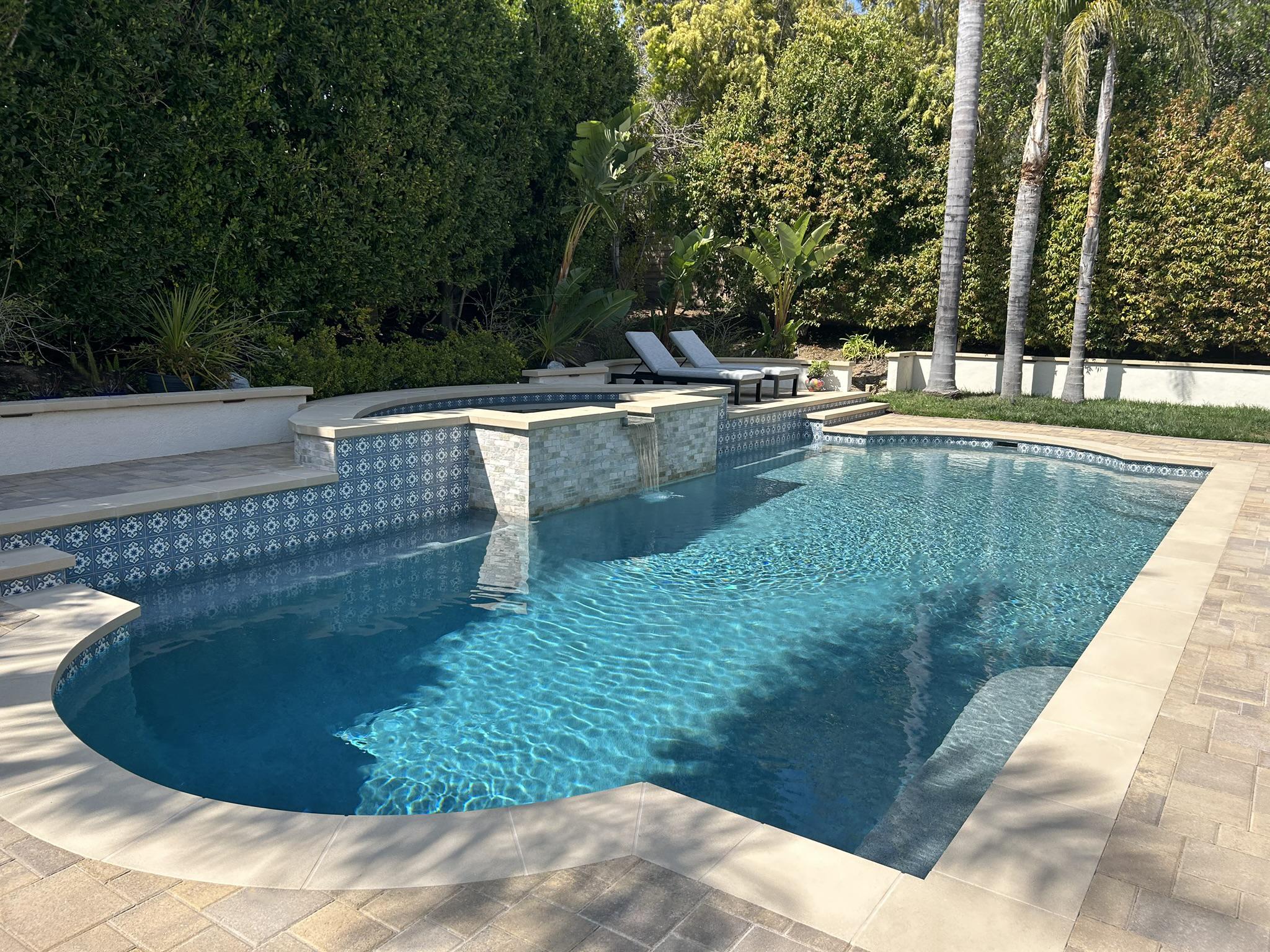
Glass tile can involve more labor
Glass tile can look fantastic, but the installation method matters.
Stanton Pools installs glass tile using industry-standard methods, including waterproofing, specific thinset, and glass-tile grout, that are more labor-intensive and therefore more expensive than some other installation approaches.
That means two estimates that both say “glass tile” aren’t necessarily equivalent.
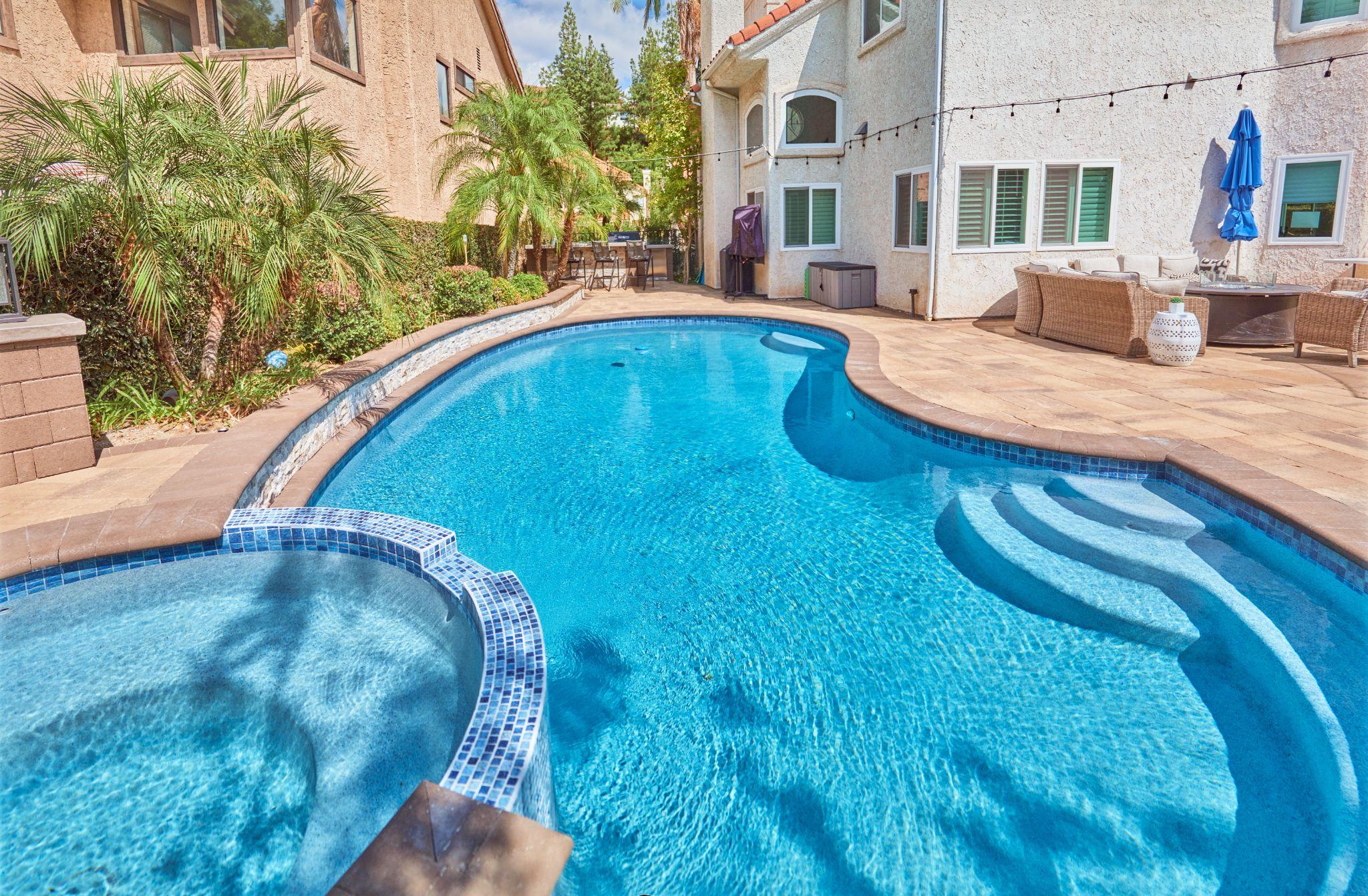
A significantly lower glass-tile price may reflect a different installation method or narrower scope—not necessarily the same installation being performed for less money.
Baja shelves and changes to the pool floor
A Baja shelf or a change to the pool’s depth is more than simply adding concrete.
Stanton Pools reinforces these modifications with rebar, bonds the new reinforcement into the existing structure, and uses shotcrete to construct the new section.
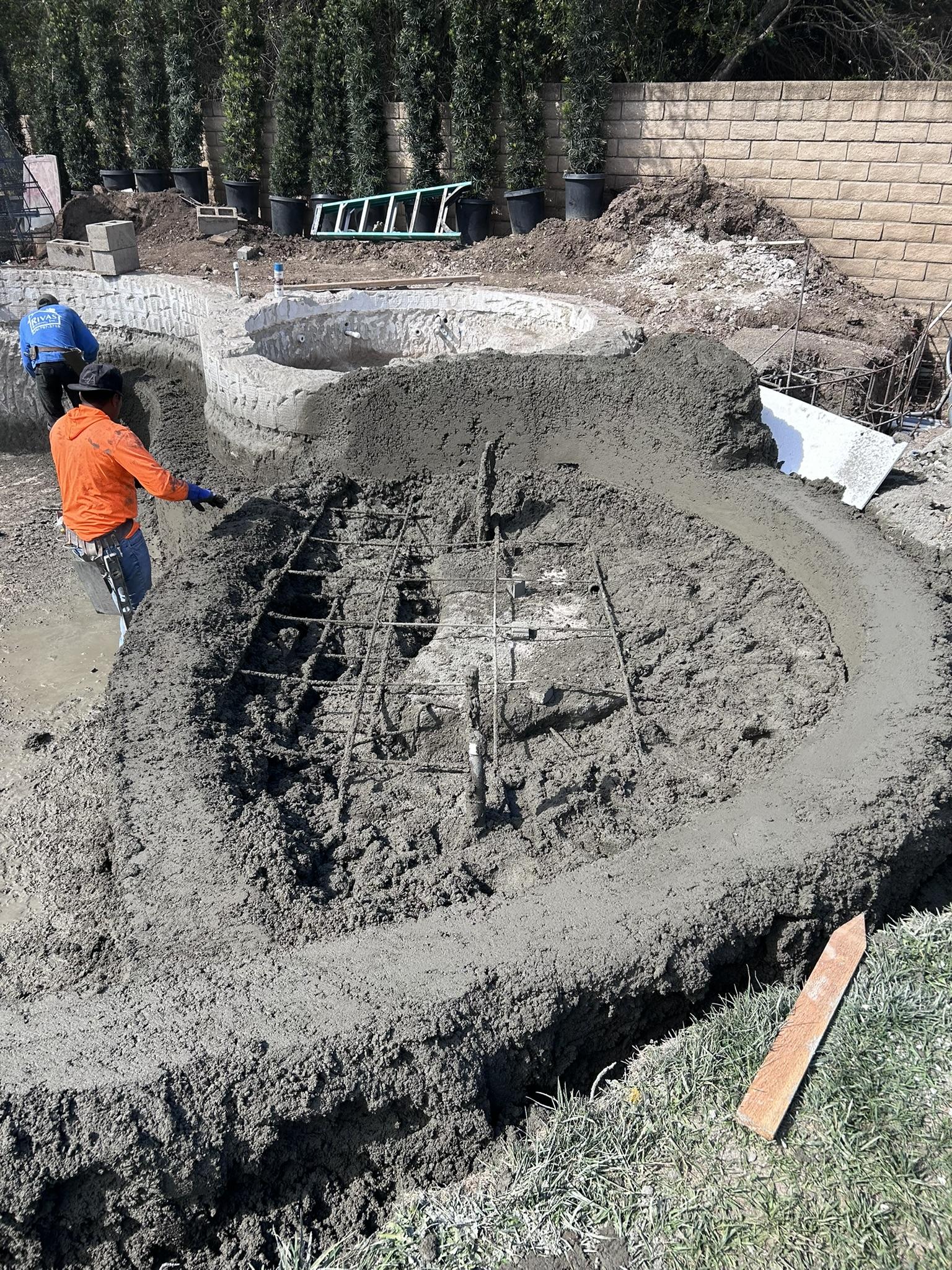
That adds labor and material, but it’s an important part of how we approach a structural modification to an existing pool.
When comparing estimates, ask how the new structure will be constructed and connected to the existing pool.
“Add a Baja shelf” describes the finished feature. It doesn’t necessarily describe how the feature will be built.
Equipment
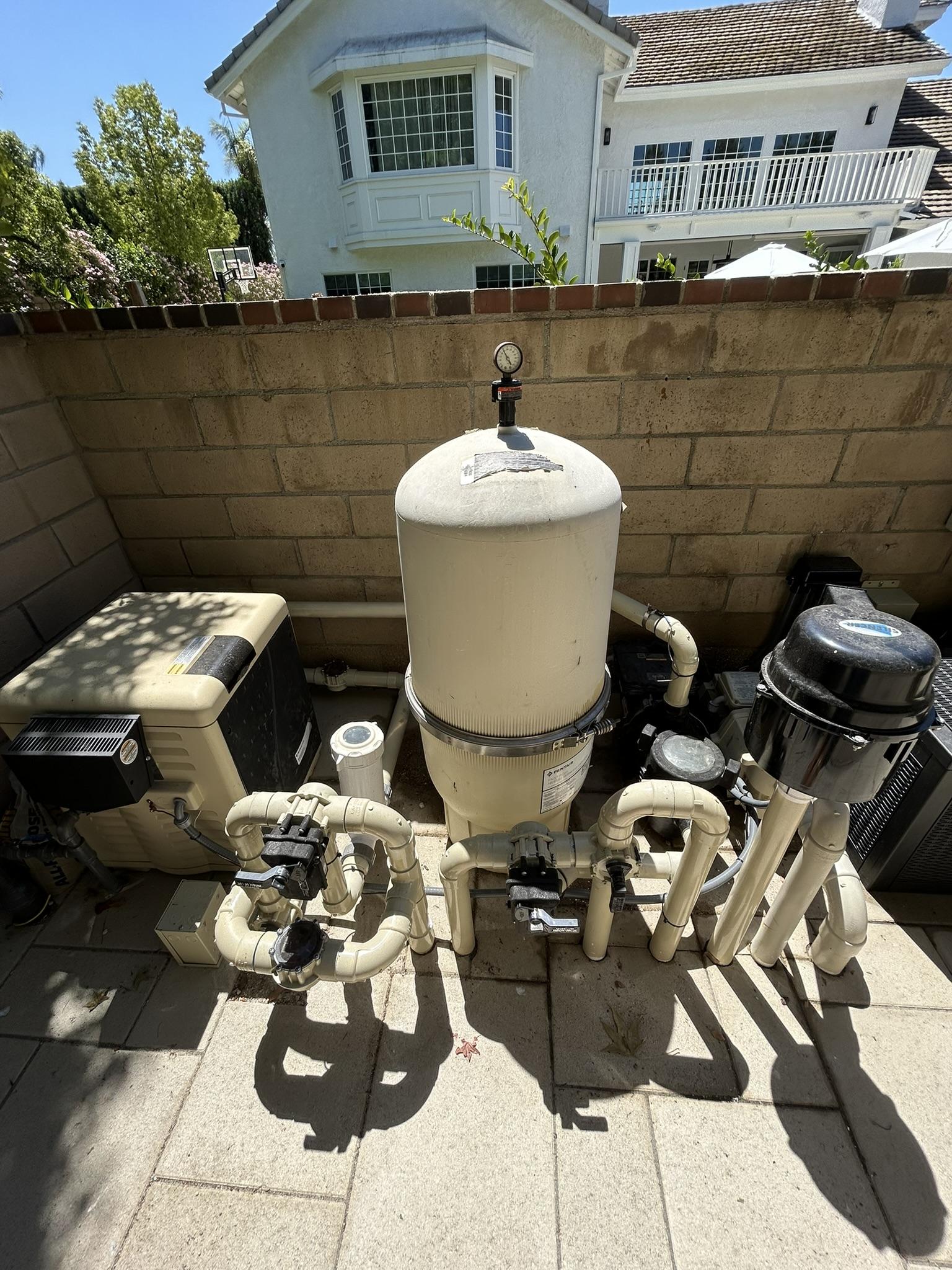
Equipment upgrades can range from replacing one pump to replacing several major components and adding automation.
You might be considering:
- Variable-speed pump
- Larger filter
- Heater
- Salt system
- Automation
- Lighting
Some upgrades are worthwhile.
Others are simply expensive because they’re available.
That’s an important distinction.
Look beyond the line items
One of the easiest ways to compare remodeling estimates is to look beyond the nouns.
“Glass tile.”
“Full replumb.”
“Baja shelf.”
“New coping.”
Those descriptions tell you what is being done. They don’t necessarily tell you how it will be done.
And the “how” can have a meaningful impact on both the cost and the finished project.
You don’t need to become a pool contractor to evaluate every construction detail.
But when two estimates are substantially different, it’s reasonable to ask the contractors to explain the differences.
What is chip-out, and what is hydroblasting?
When a pool is resurfaced, the existing interior finish needs to be removed and the underlying surface prepared for the new finish.
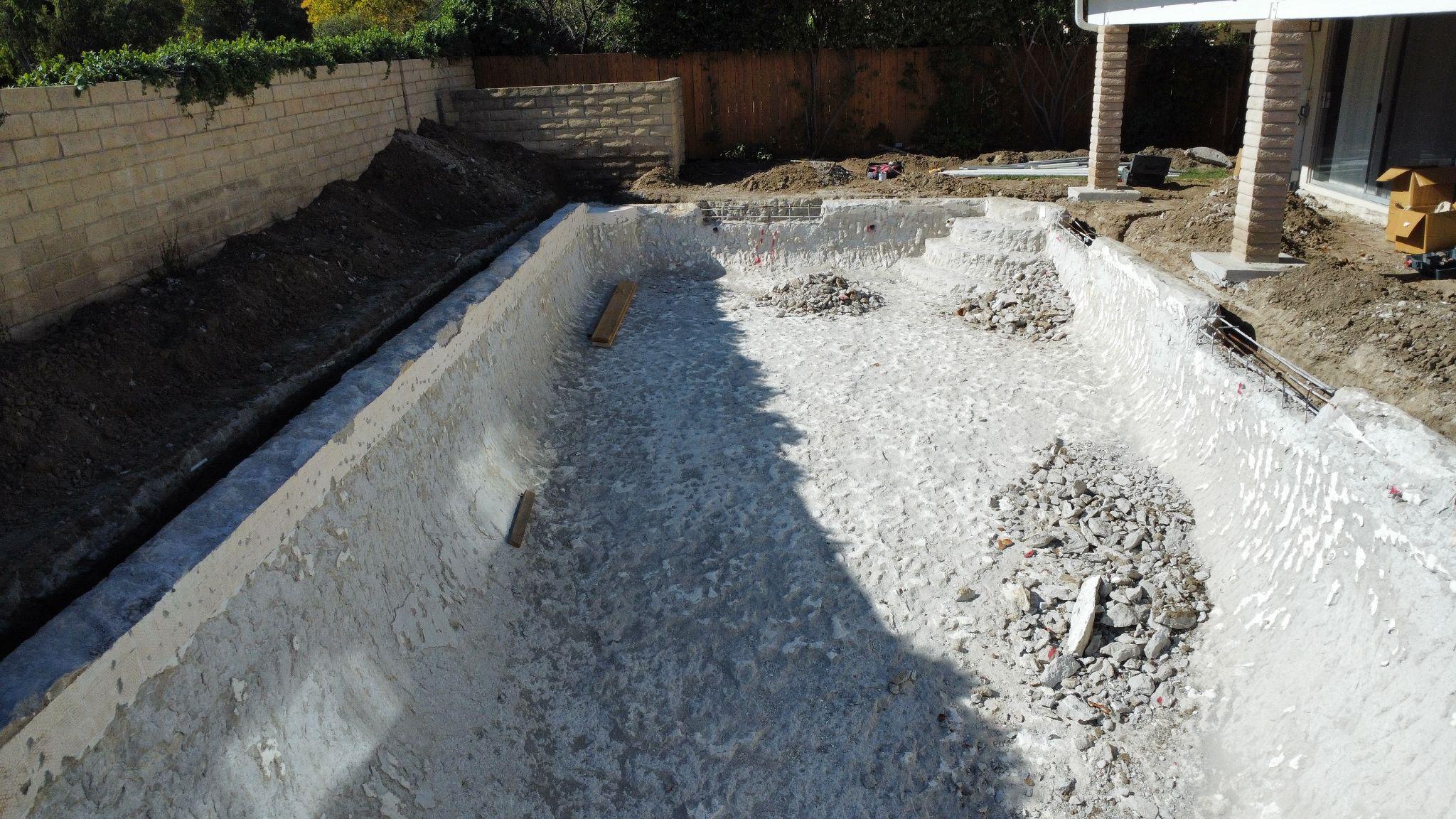
Chip-out mechanically removes the old interior finish, exposing the underlying pool shell. This gives the contractor a better opportunity to inspect the shell for problems and leaves a rougher, more textured surface for the new finish to bond to.
Hydroblasting uses high-pressure water to remove the existing finish.
Both methods are used in the industry.
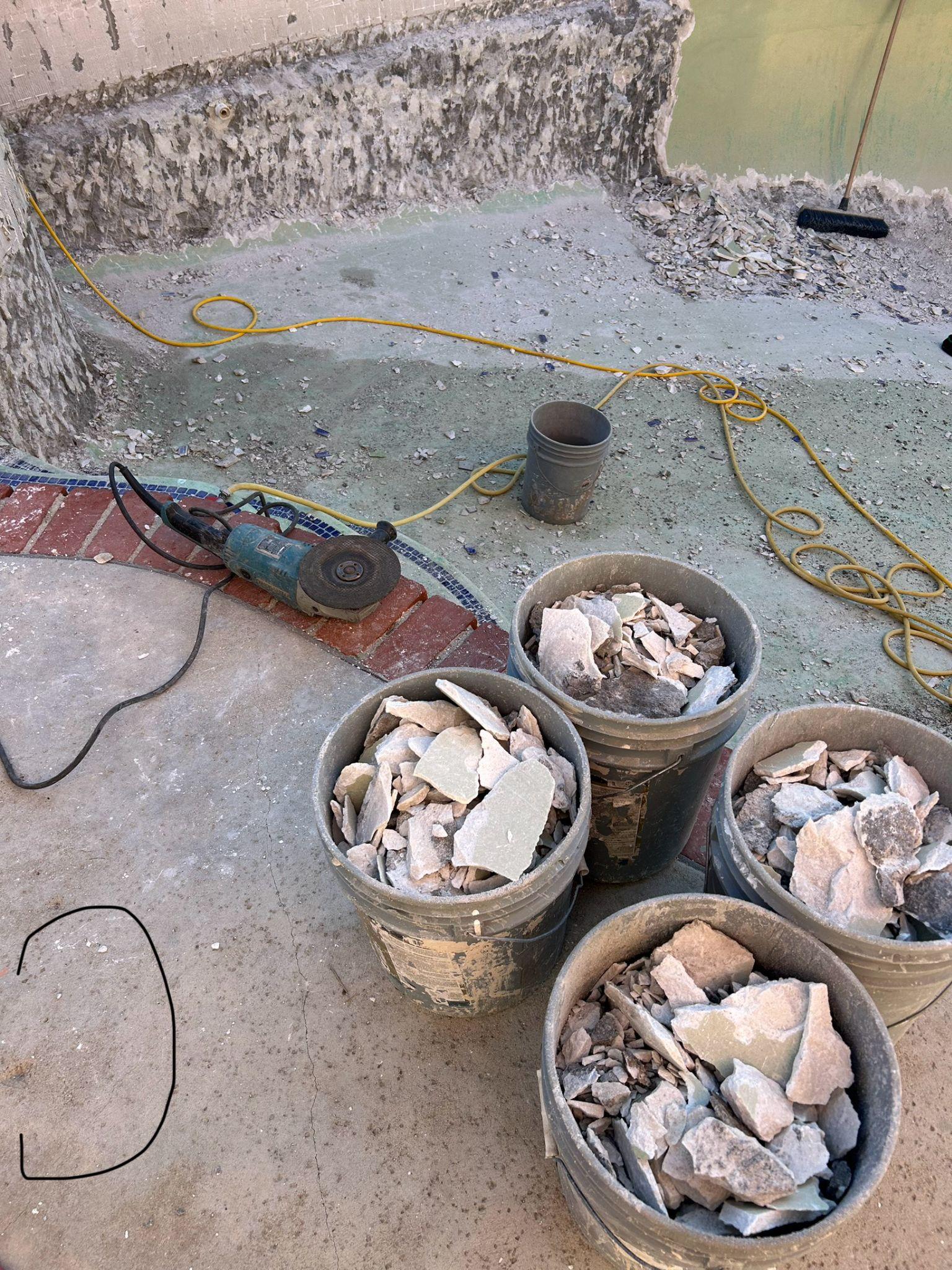
Stanton Pools prefers traditional chip-out. It is more labor-intensive and generally costs more, but we believe the additional cost is worthwhile because of the better opportunity to inspect the shell and the rougher bonding surface it provides.
We’d rather spend more time preparing the pool properly than discover a problem after the new finish has been installed.
What about unexpected costs?
Even a thorough estimate can’t reveal everything hidden inside an older pool.
Once the existing finish, tile, or coping is removed, you may discover:
- Structural cracks
- Exposed or deteriorated rebar
- Deteriorated plumbing
- Loose or failing coping
- Plumbing leaks
- Problems with old electrical components
- Other conditions that couldn’t reasonably be seen beforehand
For a typical older pool, we think it’s reasonable to have roughly $2,000–$5,000 available for legitimate unknowns.
That doesn’t mean you should expect a contractor to automatically spend another $5,000.
A good inspection and detailed scope should minimize surprises.
If a contractor says, “We found something after demolition,” ask:
What did you find? Why couldn’t it reasonably have been identified before demolition? What does it take to correct it?
That’s a reasonable conversation to have.
Where is spending more worth it?
We don’t believe the goal of a remodel is to spend the most money possible.
Where will spending more make a meaningful difference over the life of the pool?
Safety and structural integrity
If there’s a significant structural problem, we’d rather see a homeowner address it than spend the same money on cosmetic upgrades.
Things that will be difficult or expensive to do later
If you’re already replacing the deck, for example, that may be the right time to address questionable plumbing or other utilities.
Things that meaningfully improve how you’ll use the pool
A Baja shelf can be worth the money to a family who will actually use it.
Problems that would otherwise keep coming back
Sometimes the more expensive option is actually the better long-term value.
Where should you save the money?
More expensive doesn’t automatically mean better.
The most expensive interior finish isn’t automatically the best choice
If you’re considering micro pebble instead of mini pebble simply because it costs more, we don’t think everyone needs the upgrade.
Glass tile isn’t automatically better than ceramic or porcelain
Glass can look fantastic. But it can also add significant labor.
Choose it because you love the appearance—not because you assume the more expensive material must be better.
More water features aren’t necessarily better
Simple, reliable features can be preferable to complicated systems that add cost and maintenance.
You don’t necessarily need to replace good equipment
If your pump or other equipment is working well and has useful life remaining, remodeling the pool doesn’t magically make it old.
Don’t change the pool’s depth just to save on heating
We’ve had homeowners ask about making a deep pool shallower to reduce heating or water costs.
We generally don’t recommend doing that solely for those reasons. The construction cost is substantial, and there are better ways to address heating efficiency.
If you want a Baja shelf or shallower play area because you’ll actually use it, that’s a different conversation.
Should you replace the tile?
Stanton Pools generally recommends replacing the waterline tile when resurfacing a pool.
New tile can make a significant difference in the finished appearance, and replacing it while you’re already working on the pool often makes sense.
But that doesn’t mean every homeowner has to replace perfectly good tile.
If you genuinely like your existing tile and it is sound, keeping it can be a reasonable way to control the budget.
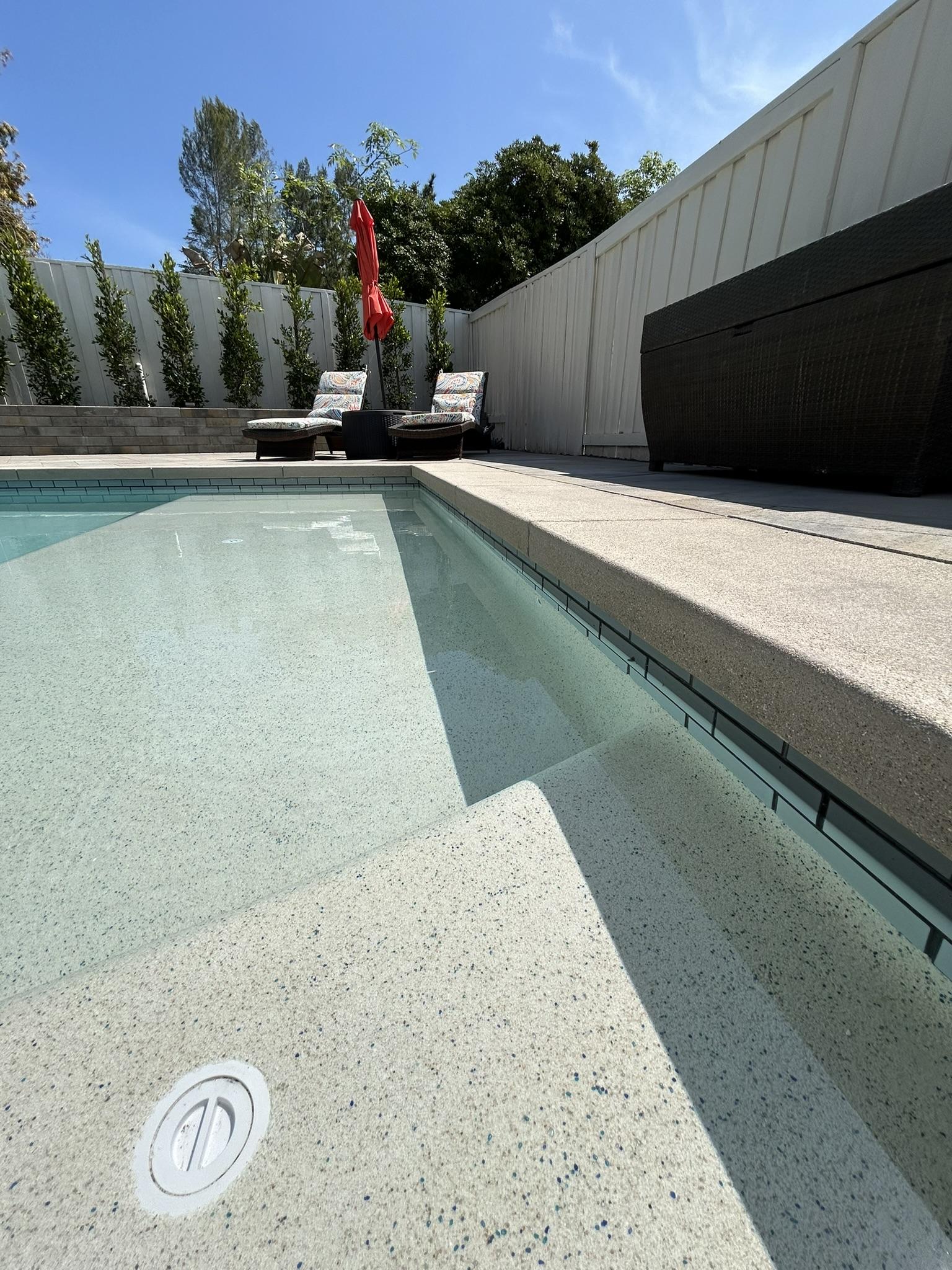
There are also situations where replacement makes more sense—for example, if the tile is failing or needs to be disturbed as part of replacing the coping.
The goal isn’t to replace something simply because you can.
It’s to make the decision that makes the most sense for your pool and your budget.
What should you do while the pool is already open?
Do now what will be difficult or expensive to do later. Don’t automatically do everything just because the pool is open.
We may recommend replacing failing coping while the pool is already being remodeled.
We may recommend replacing questionable plumbing while the deck is being replaced.
We may recommend repairing a significant structural crack before installing a new finish.
But that doesn’t mean every component of a 20-year-old pool needs to be replaced.
If your pump is working well and has plenty of useful life left, resurfacing the pool doesn’t magically make the pump old.
The goal is to think about what will be difficult or expensive to access later, not simply what can be added to today’s estimate.
How long should a new pool finish last?
You’ll find very specific claims online about how long different finishes last.
Real life isn’t quite that simple.
The life of an interior finish depends on the material, installation, startup, water chemistry, maintenance, use, and environmental conditions.
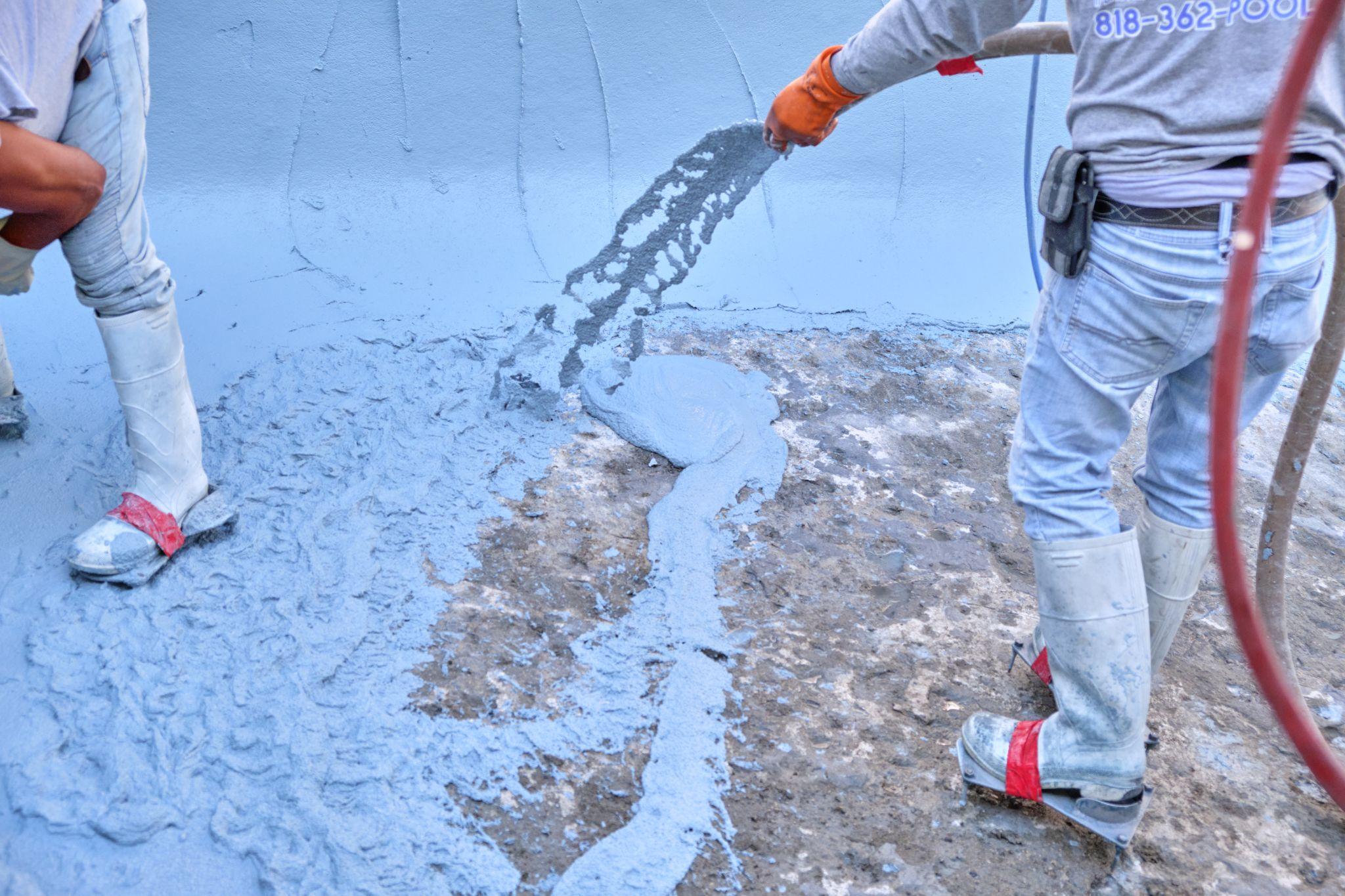
Stanton Pools generally favors pebble when a homeowner wants a more durable, longer-term finish.
But longevity isn’t just about what material you buy.
Installation and what happens afterward matter too.
A homeowner isn’t simply buying a bucket of pebble or plaster. You’re buying the preparation, application, startup, and workmanship that go along with it.
When does remodeling make sense?
Not every older pool needs a complete remodel.
If your pool is fundamentally sound, the surface still has useful life, the coping and tile are in good condition, and you simply don’t love the appearance, waiting can be perfectly reasonable.
On the other hand, remodeling can make a lot of sense when:
- The interior finish is reaching the end of its useful life
- Tile or coping are failing
- There are structural concerns
- There are safety issues
- You’re already planning meaningful changes
- You expect to stay in the home long enough to enjoy the investment
“My pool is old” does not automatically mean “everything needs to be replaced.”
But don’t make the opposite mistake either.
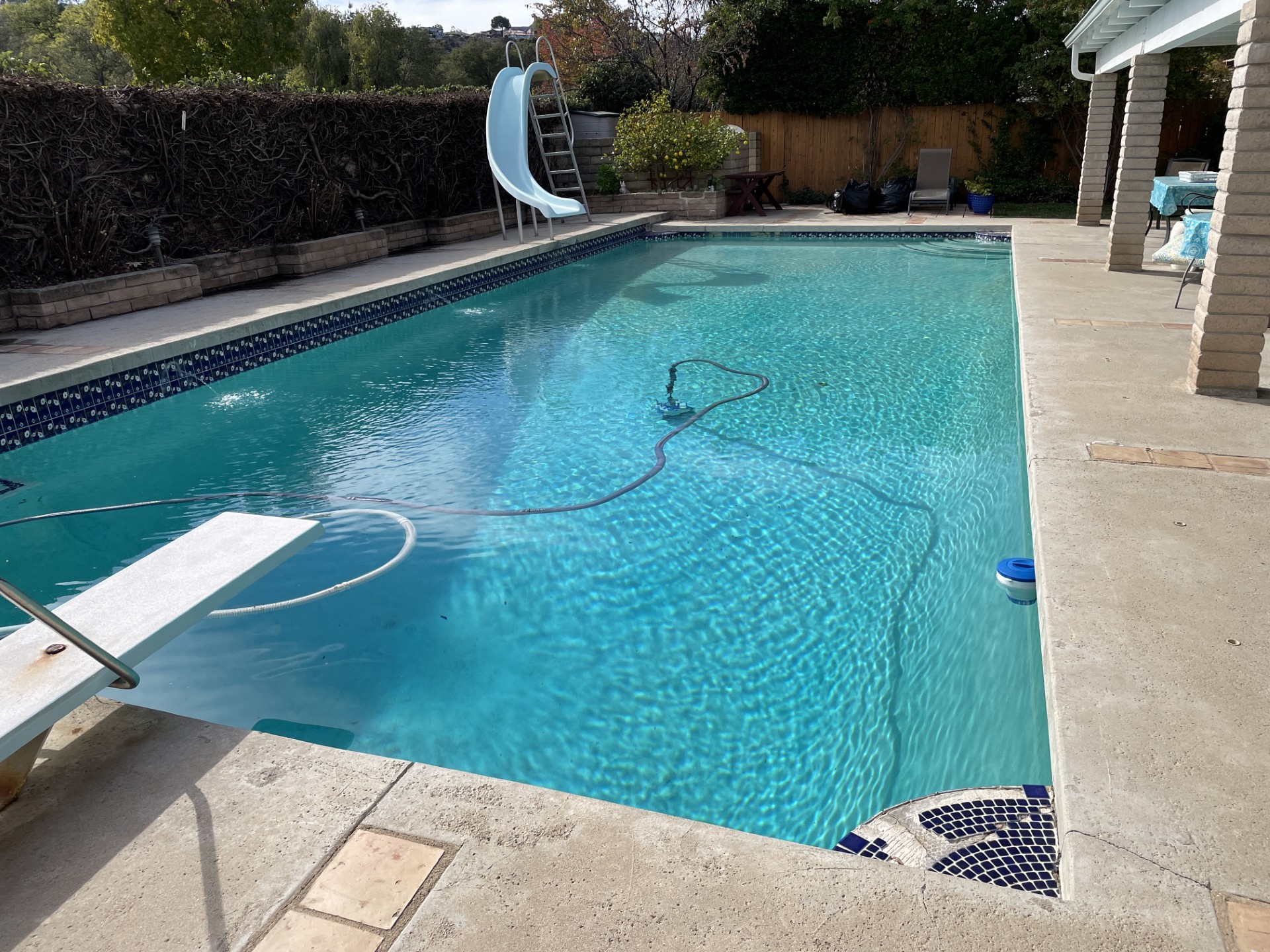
If you’re already resurfacing and have old plumbing, failing coping, or another difficult-to-access problem, ignoring it simply to keep the initial estimate low may not save you money in the long run.
Sometimes the smartest decision is to remodel now.
Sometimes it’s to resurface without a major remodel.
And sometimes it’s to wait.
How should you compare estimates?
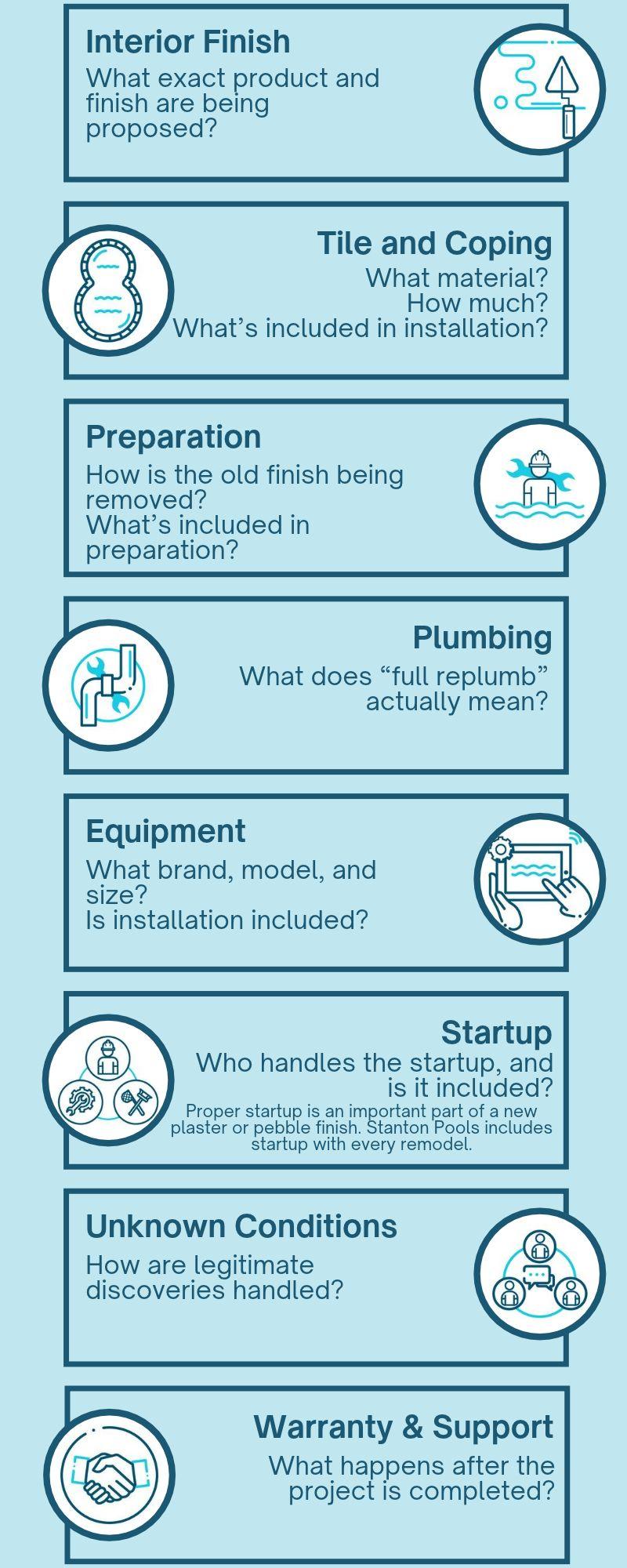
When you have two or three estimates, don’t start with the bottom line.
Start by putting the scopes next to each other.
A contractor doesn’t have to write a 20-page proposal to be good.
But the clearer the contractor is about what they observed, what they recommend, what is included, and why, the easier it is for you to make a meaningful comparison.
Learn more about how Stanton Pools evaluates an existing pool before preparing a remodel estimate.
You’re not trying to become a pool contractor.
You’re trying to understand whether you’re comparing similar scopes—and, when you’re not, why.
A final thought about getting “ripped off”
Most homeowners understandably worry about paying too much.
That’s reasonable.
But getting ripped off doesn’t necessarily mean paying the highest price.
It can also mean accepting a low price and later discovering that important work wasn’t included.
- Maybe startup wasn’t included.
- Maybe “full replumb” meant something much narrower than you expected.
- Maybe equipment was priced without all the installation work.
- Maybe coping preparation wasn’t included.
- Maybe legitimate problems became change orders.
That’s why we think the best question isn’t:
“Who’s the cheapest?”
It’s:
“What exactly am I getting, and do I trust this contractor to do it properly?”
Price matters.
It just isn’t the only thing that matters.
Stanton Pools’ perspective
After hundreds of pool remodels, we’ve learned something pretty simple:
The best remodel isn’t necessarily the biggest remodel.
Sometimes we’ll recommend spending more because we’re already there and the additional work will be difficult or expensive to do later.
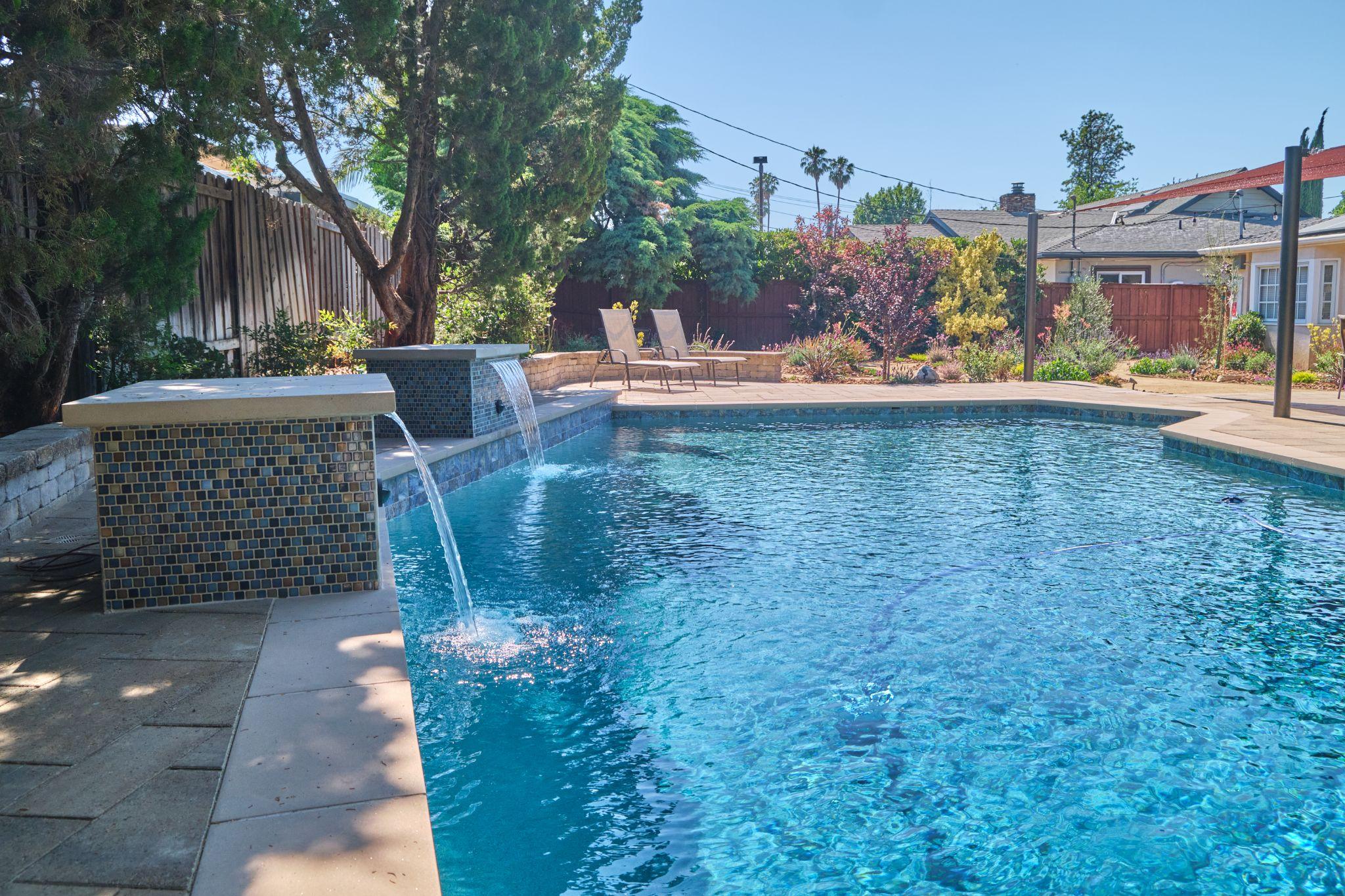
Sometimes we’ll recommend a less expensive option because we don’t think the upgrade is worth the money.
And sometimes we’ll tell a homeowner that they don’t need to remodel yet.
Our goal isn’t to maximize the size of the project.
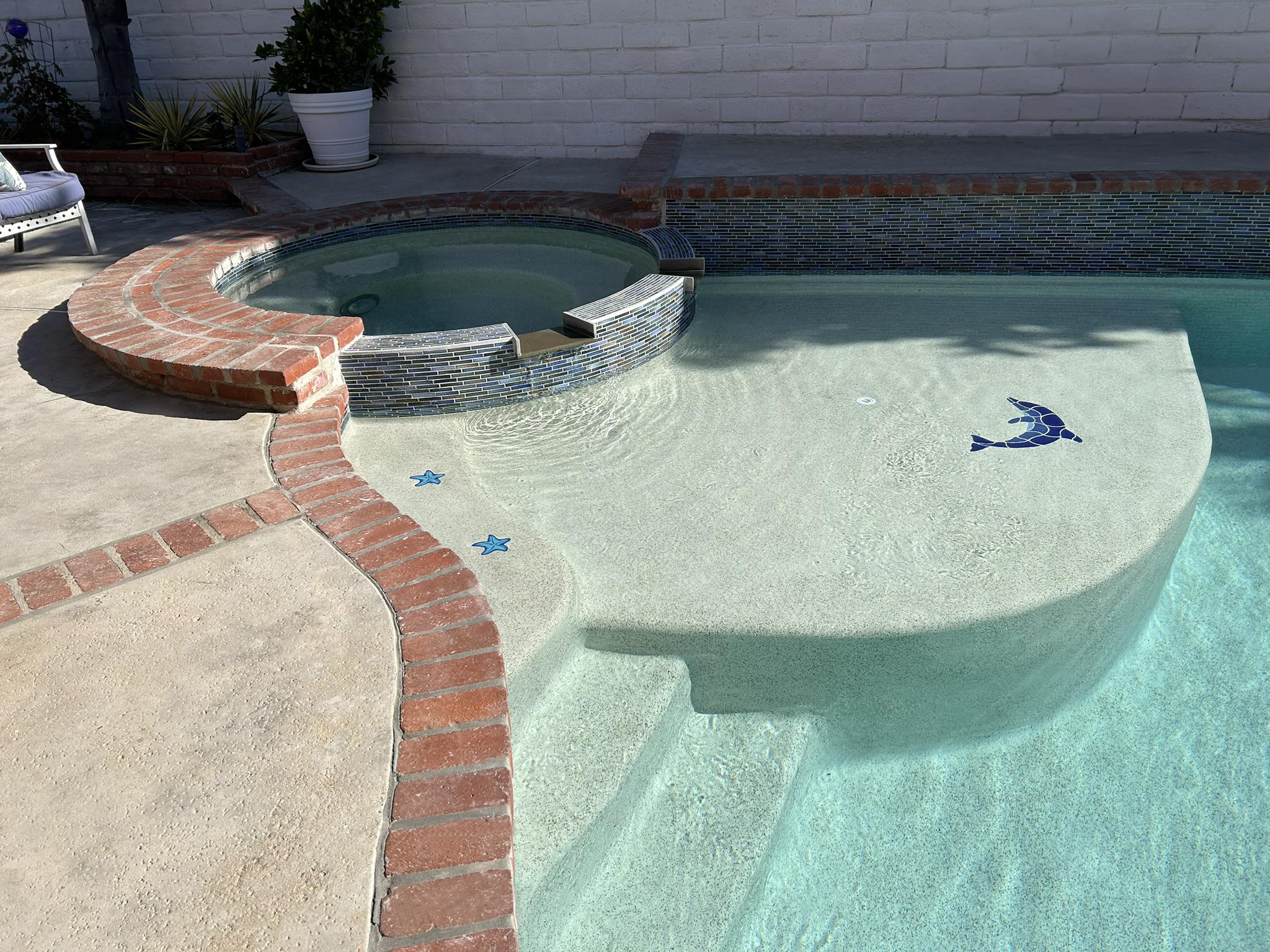
It’s to help you decide where the money will make the biggest difference, both today and several years from now.
Frequently Asked Questions
How much does it cost to resurface a pool in Southern California?
A quality resurface generally costs $10,000–$20,000, depending on the size of the pool and the finish selected. Tile, coping, plumbing, and other work can increase the total.
How much does a pool remodel cost?
A more substantial remodel commonly falls somewhere in the mid-$20,000s to $75,000+, depending on what you’re changing. Extensive structural work or major reconfiguration can exceed that range.
Do I need to replace my tile when I resurface?
Not necessarily. Stanton Pools generally recommends replacing tile, but if you genuinely like your existing tile and it is sound, keeping it can be a reasonable way to control the budget.
Do I need to replace my pool equipment during a remodel?
No. Equipment can often be replaced independently of a remodel. If your equipment is functioning well and has useful life remaining, there may be no reason to replace it simply because you’re resurfacing the pool.
Should I replace old copper plumbing?
It depends on the condition of the plumbing and the circumstances of the project. If the plumbing is questionable and the deck is already being replaced, replacement can make a lot of sense.
What unexpected costs can come up?
Older pools can reveal structural cracks, deteriorated plumbing, loose coping, leaks, exposed rebar, or other problems once work begins. Stanton Pools generally recommends having roughly $2,000–$5,000 available for legitimate unknowns on an older pool.
Is pebble worth the extra money over plaster?
Stanton Pools generally prefers pebble for homeowners who want a more durable, longer-term finish. But the right finish depends on your priorities, budget, and how long you expect to own the home.
Find more information here: Plaster vs. Mini Pebble: Pros and Cons.
Should I remodel my pool if it just looks dated?
Not necessarily. If the pool is structurally sound and the surface, tile, and coping still have useful life, waiting can be perfectly reasonable.
How do I know whether a pool remodeling estimate is reasonable?
Don’t compare the total alone. Compare the finish, tile, coping, preparation, plumbing scope, startup, equipment specifications, treatment of unknowns, warranty, and post-project support. Two estimates that look very different on the bottom line may not actually be proposing the same project.
Related Articles
- Plaster vs. Mini Pebble: Pros and Cons
- What Kinds of Water Features Can I Add to My Swimming Pool?
- Decking Around Inground Pools
- What Are the Benefits of a Jacuzzi Addition?
- John: A Newbury Park Perfect Blue Transformation
- Brett: A Clean Backyard Pool Remodel with Crack Repair in West Hills
Still figuring out your budget?
The Stanton Pools Remodel Calculator can help you experiment with different remodeling options and get a rough idea of how your choices affect the budget. It’s a starting point, not an estimate.
Explore the options using our pool remodel calculator.
Ready to figure out what makes sense for your pool?
Stanton Pools remodels and resurfaces pools throughout the Conejo Valley and surrounding communities, including Thousand Oaks, Westlake Village, Newbury Park, Agoura Hills, West Hills, and Woodland Hills.
If you’re considering a remodel, Stanton Pools can evaluate the existing pool, explain what we see, and help you determine what makes sense to do now, what can wait, and where spending more is actually worthwhile.


